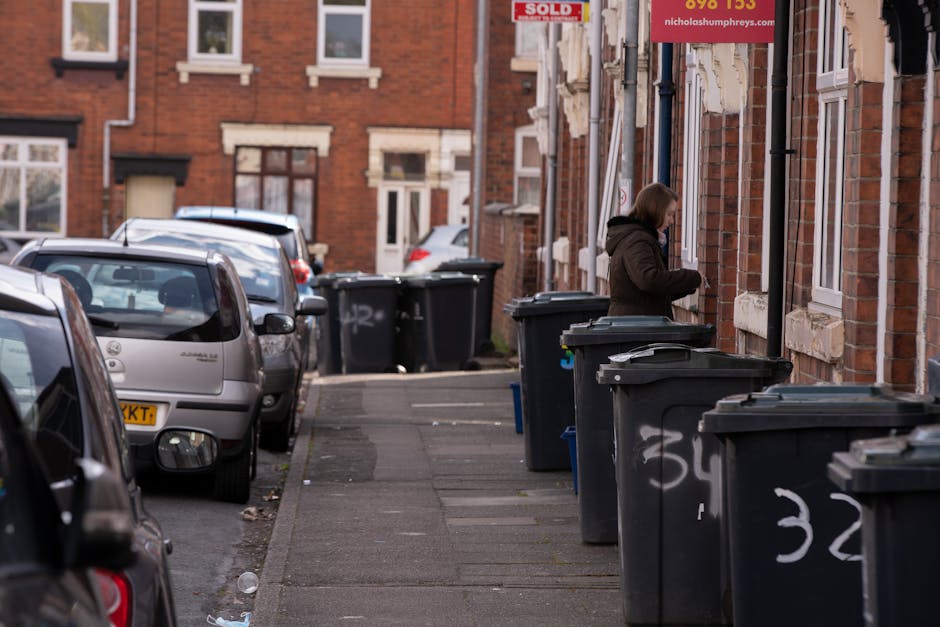
E4 rubbish collection tips for Chingford local streets
If you live or work around Chingford, you'll know rubbish collection is one of those jobs that looks simple right up until the bags start piling up by the front gate, the pavement gets tight, or a van can't quite stop where you hoped. That's where smart E4 rubbish collection tips for Chingford local streets make a real difference. A little planning can keep things tidy, reduce missed collections, and save you from the usual mess of last-minute sorting.
In this guide, you'll get practical advice for handling household waste, bulky items, garden cuttings, and trade waste on local streets without causing disruption. We'll cover how collection works, the common mistakes people make, what to do about awkward items, and how to stay on the right side of safety and compliance. Nothing fancy. Just useful, local, day-to-day guidance that actually helps.
Contents
- Why E4 rubbish collection tips for Chingford local streets matters
- How E4 rubbish collection tips for Chingford local streets works
- Key benefits and practical advantages
- Who this is for and when it makes sense
- Step-by-step guidance
- Expert tips for better results
- Common mistakes to avoid
- Tools, resources and recommendations
- Law, compliance, standards, or best practice
- Options, methods, or comparison table
- Case study or real-world example
- Practical checklist
- Conclusion
- Frequently asked questions
Why E4 rubbish collection tips for Chingford local streets Matters
Local streets in E4 can be busy, narrow, and unpredictable. Parking pressure is one thing. Tight turning space is another. And if you've ever tried to shift a couple of bin bags around a parked car, a neighbour's delivery van, and a scooter that seems to appear from nowhere, you'll know the problem.
Good rubbish collection habits matter because they help you keep pathways clear, avoid nuisance to neighbours, and make collections more reliable. They also reduce the chance of waste being left outside for too long, which can attract birds, create odours, or simply make the street look untidy. Nobody wants that, especially on a damp Monday morning when the kerbside already feels cluttered.
There's also a practical side. If waste is sorted properly, packed sensibly, and put out at the right time, collection is usually smoother and cheaper. In some cases, it can also reduce the need for repeat visits or extra handling. For households, landlords, small businesses, and tradespeople, that can be a real time-saver.
And to be fair, people often underestimate how much hassle comes from poor preparation. One overloaded bag, one awkward mattress, one fridge in the wrong place - suddenly the whole job becomes harder than it needed to be.
How E4 rubbish collection tips for Chingford local streets Works
The basic idea is simple: make waste easier to collect, easier to move, and easier to sort. That sounds obvious, but the difference between a smooth collection and a stressful one is often in the details.
On local streets, collection usually involves some combination of the following:
- bagging regular household rubbish securely
- separating recycling from general waste
- keeping bulky items together and accessible
- placing waste where it can be safely lifted or loaded
- avoiding blocked access, loose litter, or sharp hazards
If you're using a professional service, the process may be more flexible than a standard bin collection. For example, a team can often remove mixed loads, awkward furniture, old appliances, or clearance waste in one visit. Services such as waste removal can be useful when you've got more than the household bin system can handle, while a specialist page like house clearance may be better for larger clear-outs after a move, renovation, or bereavement.
That said, the more organised you are before collection day, the faster everything tends to go. The team arrives, loads efficiently, and leaves the street looking decent. Nice and boring, in the best possible way.
Key Benefits and Practical Advantages
When rubbish is managed well on Chingford's local streets, the gains are more than just visual. You get a cleaner frontage, fewer collection issues, and less stress overall. Here's what that looks like in practice.
- Less mess outside the property. Waste stays contained rather than spreading across the pavement or front garden.
- Faster collections. Crews can work more efficiently when items are ready and accessible.
- Lower risk of complaints. Neighbours are less likely to object to smell, spillages, or blocked access.
- Better recycling outcomes. Sorting waste properly improves the chances that recyclable material is kept separate.
- Reduced safety risks. Sharp edges, heavy items, and trip hazards are easier to control when handled early.
There's another benefit people don't always mention: mental space. A clear passage, an empty hallway, or a tidy front step can make a property feel calmer almost immediately. It's a small thing, but you notice it.
If you're dealing with larger amounts of waste, it can also help to understand what can be loaded together. A resource like what can go in a skip is handy when you're comparing disposal options and trying to avoid last-minute surprises.
Who This Is For and When It Makes Sense
This topic is useful for more people than you might expect. If you're a homeowner, tenant, landlord, or local business owner in E4, rubbish collection affects you in slightly different ways - but the same basic principles apply.
Homeowners often need help after decluttering, decorating, or gardening. One weekend's worth of sorting can easily become two black bags, an old shelf, a broken chair, and a pile of packaging nobody wants to keep.
Tenants and flat residents usually need a neat, low-disruption approach because shared access, narrow entrances, and communal areas make poor waste handling very obvious. If that sounds familiar, flat clearance may be more relevant than a standard bin routine.
Landlords and managing agents often need a quick turnaround between occupiers. That's where a broader service such as home clearance or house clearance can be helpful, especially when contents need removing fast and the property has to be made ready for inspection or re-let.
Local businesses and shops also need dependable collection for packaging, office waste, and occasional bulky items. If your waste is commercial rather than domestic, business waste removal is the more appropriate route.
Tradespeople and DIY renovators deal with a different kind of problem: rubble, offcuts, old units, plasterboard, and packaging from materials. For that, builders waste clearance is usually a better fit.
When does it make sense? Usually when the waste is too much for the regular bin system, too awkward for a simple lift, or too urgent to leave hanging around. In other words: often.
Step-by-Step Guidance
Here's a practical way to organise rubbish collection on E4 streets without overcomplicating it.
- Identify the waste type. Separate regular rubbish, recycling, bulky waste, garden waste, appliances, and any hazardous items.
- Check access. Make sure there's a clear route from the property to the vehicle or collection point. Move parked cars if needed, if you can legally do so.
- Bag and contain loose items. Use sturdy bags, tie them securely, and avoid overfilling. A ripped bag on a wet pavement is nobody's friend.
- Keep heavy items together. Put similar objects in one place so loading is simpler. Don't scatter them across the front path.
- Separate sharp or breakable materials. Glass, metal offcuts, broken furniture, and similar items should be packed to reduce risk.
- Move restricted items aside. Fridges, freezers, electronics, chemicals, paints, or other special items may need separate handling.
- Put waste out at the right time. Early enough to be collected, but not so early that it sits out all day or overnight.
- Leave the area clean. Sweep up small debris, check for drips or residue, and remove any packaging left behind.
If the job is bigger than a few bags, think in zones. Front garden first. Hallway second. Side return or garage last. That approach reduces chaos. Not glamorous, but effective.
For properties with stored items in lofts, garages, or sheds, it can help to plan a separate removal route. Pages like loft clearance and garage clearance are useful if the waste has been accumulating for a while and needs proper sorting.
Expert Tips for Better Results
Most collection problems are preventable. The trick is to think like the person who has to lift, carry, sort, and load everything. If you make their job easier, your job gets easier too.
Tip 1: Break down cardboard and bulky packaging early. Flatten boxes before collection day. It saves space and stops rainwater turning them into limp, awkward slabs.
Tip 2: Don't mix waste streams unless you have to. Cleaner separation generally means better handling and fewer surprises. Mixed loads can be manageable, but they're still better organised when grouped.
Tip 3: Keep a small "no-go" pile. Put aside anything you're unsure about. Paint tins, aerosols, old batteries, chemicals, and similar items should not be treated like regular rubbish. If there's any doubt, that item needs a second look.
Tip 4: Protect shared areas. If waste is going through a hallway, stairwell, or communal entrance, lay something down to reduce scratches and mark the route clearly. It sounds fussy until somebody drags a broken bedside cabinet across a nice floor.
Tip 5: Photograph the load before collection. This can help if you need to check what was removed, especially for landlords, businesses, or larger clearances. Nothing dramatic, just sensible record-keeping.
Tip 6: Build around the weather. In London, a dry morning can turn into drizzle by lunchtime. If paper packaging, soft furnishings, or loose cardboard are exposed, cover them or move them out closer to the collection time.
Tip 7: Consider the end destination. If you know an item is reusable, recyclable, or specialist waste, sort it that way before it gets lumped in with everything else. A bit of judgement goes a long way.
And one more, slightly boring but very real point: good labelling helps. A simple note on a bag or pile can stop the classic "is this staying or going?" confusion. We've all been there.
Common Mistakes to Avoid
These are the errors that tend to cause avoidable delays, extra handling, or messy streets.
- Leaving waste out too early. This increases the chance of spillage, fly-tipping, or complaints.
- Overfilling bags. Heavy, split bags are awkward and unsafe.
- Ignoring access issues. A clear path matters more than people think.
- Mixing hazardous items with ordinary rubbish. That can create real safety and compliance problems.
- Forgetting bulky furniture. Sofas and mattresses often need separate planning.
- Assuming one service fits all waste. It doesn't always. A garden tidy-up is not the same as office archive disposal or building waste.
One surprisingly common mistake is simply not deciding what stays and what goes before collection day. If you're standing in the doorway on the morning of the pickup still asking, "Do we need this?" you've already lost some time.
For awkward household items, specialist pages such as mattress and sofa disposal and fridge and appliance removal can help you choose the right route rather than guessing.
Tools, Resources and Recommendations
You do not need a van full of kit to manage rubbish properly, but a few simple tools make life easier.
- Heavy-duty bags: useful for general waste and mixed small items
- Gloves: especially for broken materials, garden waste, or dusty loft clearances
- Marker pens and labels: handy for sorting, especially in shared homes or flats
- Hand truck or sack barrow: useful when moving heavier items short distances
- Dust sheets or old blankets: good for protecting floors and door frames
- Basic tape and rope: helps secure loose parts, doors, or drawers during loading
For people comparing disposal options, a service overview such as pricing and quotes can be useful for understanding how different waste types may be handled. If sustainability matters to you - and it probably should - the page on recycling and sustainability is worth a look too.
If you need flexible booking, book online can be the quickest route when you already know what needs collecting. And if the situation involves private paperwork from an office, confidential shredding is the right sort of service to keep in mind rather than mixing documents into general waste.
Law, Compliance, Standards, or Best Practice
For rubbish collection in the UK, the biggest rule of thumb is straightforward: waste should be stored, moved, and disposed of safely, and anyone handing it over should use a responsible carrier or service. That includes being careful with special wastes such as electronics, fridges, chemicals, fluorescent tubes, or materials that may be hazardous.
You do not need to become a legal expert to manage this properly, but a few common-sense principles help:
- Do not leave waste where it creates a hazard. Pavements, fire exits, communal routes, and driveways should remain usable.
- Keep hazardous items separate. Paints, solvents, oils, and similar materials should not be treated like general rubbish.
- Use suitable carriers. Waste should be handled by people who know what they are taking and how to deal with it.
- Respect shared or public space. Overflowing piles on local streets can create issues for neighbours and passers-by.
It is also sensible to think about insurance and safety. If items are heavy, sharp, dusty, or awkward, the risk usually comes from the handling, not just the item itself. A page like insurance and safety is useful background when you want reassurance that the work is being approached carefully.
For operators and businesses, a structured approach to internal standards matters too. Pages such as health and safety policy and payment and security help set expectations clearly. Not glamorous, sure, but that sort of clarity keeps everyone happier.
Options, Methods, or Comparison Table
If you are deciding how to handle rubbish on a Chingford street, the best option depends on volume, item type, speed, and access. Here is a simple comparison.
| Method | Best for | Strengths | Limitations |
|---|---|---|---|
| Regular bin collection | Everyday household waste | Simple, familiar, low effort | Limited capacity, not suitable for bulky items |
| Skip-style disposal planning | DIY, refurbishments, mixed bulky loads | Useful for larger volumes, good for staged jobs | Needs space and correct loading decisions |
| Professional waste removal | Quick clearances, mixed items, awkward waste | Less lifting for you, faster turnaround, more flexible | Depends on access, item type, and service scope |
| Specialist item disposal | Appliances, mattresses, sofas, hazardous waste | Safer handling, better compliance, less guesswork | May need advance planning or separate treatment |
For many households, the answer is a mix. One collection for the general clutter, another for the awkward stuff, and a separate approach for anything restricted. That's normal. Actually, that's usually the smartest way to do it.
Case Study or Real-World Example
Picture a small terrace property off a busy E4 street. The occupants have been renovating the front room, clearing out the loft, and sorting the garden shed at the same time. By Friday evening, they've got cardboard, old shelves, a broken office chair, a couple of bags of mixed rubbish, and a tired-looking fridge that has definitely seen better days.
At first, it looks like one giant pile. But once it's split into groups, the job becomes manageable:
- cardboard flattened and stacked
- household waste bagged securely
- furniture placed together for easy lifting
- the fridge separated for specialist handling
- anything uncertain kept aside rather than guessed
They also clear the path from the front door to the pavement, move a couple of planters, and leave enough space for loading without blocking the neighbour's drive. Simple things, but they make the whole collection smoother.
By the time the pickup is done, the front of the property feels transformed. Quiet, neat, no trail of debris. That's the real value of good rubbish collection tips: not drama, just a job done properly.
Practical Checklist
Use this checklist before collection day if you want the process to go smoothly.
- Identify all waste types before moving anything
- Separate general rubbish, recycling, bulky items, and hazardous materials
- Flatten cardboard and reduce empty packaging volume
- Bag loose waste securely and avoid overfilling
- Keep walkways, entrances, and exits clear
- Set aside items that need specialist handling
- Check whether furniture or appliances need dismantling
- Protect floors, steps, and shared areas if items are being carried through them
- Time the collection so waste is not left outside for too long
- Sweep up any small debris once the main load has gone
Expert summary: The cleanest rubbish collections on Chingford streets usually come down to three things - clear sorting, safe access, and not leaving decisions until the last minute. Get those right, and the rest tends to follow.
If you want a service that is built around this kind of practical, local approach, it helps to understand the team behind it. You can read more on the about us page, or get in touch through contact us when the waste is already taking over the place. That first conversation often makes the rest feel a lot less heavy.
Get a free quote today and see how much you can save.
Conclusion
E4 rubbish collection does not need to be complicated, but it does need a bit of thought. The streets in and around Chingford can be tight, busy, and sometimes awkward for loading, so small improvements in sorting, timing, and access really matter. Once you start treating waste as a job to plan rather than a job to dump, the whole process gets easier.
Whether you are dealing with a few bags, a full house clearance, a garden tidy-up, or mixed business waste, the same practical habits will help: keep things organised, separate special items, and make the collection route as clear as you can. That's the stuff that saves time and reduces stress.
And honestly, there is something satisfying about a clean pavement and an empty pile where the mess used to be. Small win, but a good one.
Frequently Asked Questions
What is the best way to prepare rubbish for collection on E4 local streets?
The best approach is to sort the waste by type, bag loose items securely, flatten bulky packaging, and keep the collection route clear. If items are heavy or awkward, group them together so they can be removed safely and efficiently.
How do I handle bulky waste like furniture or mattresses?
Bulky items are best kept separate from regular rubbish. Sofas, mattresses, and similar items often need specialist disposal, especially if there are access issues or shared hallways involved. Planning ahead avoids a lot of last-minute faff.
Can I mix garden waste with general rubbish?
You can in some situations, but it is usually better not to. Garden waste is easier to manage when kept separate, and it may be suitable for a different disposal route. Mixing everything together can make loading slower and less efficient.
What should I do with old appliances on collection day?
Fridges, freezers, and other appliances should be handled separately where possible. They may contain components that need special care, so treating them like normal rubbish is not a good idea. A specialist appliance service is the safer option.
How early should I put rubbish out?
As late as practical, while still allowing enough time for collection. Leaving waste outside too long increases the risk of mess, weather damage, or complaints from neighbours. Timing matters more than people think.
What are the most common rubbish collection mistakes in Chingford streets?
The biggest mistakes are overfilled bags, blocked access, mixed waste streams, and leaving items outside too early. Another common one is forgetting about hazardous or restricted items until the very last minute.
Do I need a specialist service for office or commercial waste?
Yes, if the waste is from a business or workplace, a commercial waste solution is usually more appropriate. Office paper, packaging, furniture, and archive material often need a more organised approach than ordinary household rubbish.
What if I am clearing a loft or garage full of old items?
That is a strong candidate for a broader clearance service. Lofts and garages tend to contain mixed, forgotten, and awkward items, so a planned approach helps. It is usually better than trying to deal with it a bag at a time.
How do I know whether an item is hazardous?
If it contains chemicals, solvents, oils, pressurised contents, or other potentially harmful substances, treat it cautiously and do not mix it with ordinary rubbish. When in doubt, keep it separate until you have checked the right disposal route.
Is skip-style disposal always better than waste removal?
Not always. Skips are useful for some jobs, especially where waste is generated over time, but they are not ideal if you have access constraints or need the waste gone quickly. Waste removal can be more flexible for mixed, awkward, or urgent loads.
How can I keep shared areas tidy during collection?
Use dust sheets if items are going through communal areas, avoid dragging materials, and keep the route as short as possible. A quick sweep afterwards also helps. It is a small bit of care that goes a long way with neighbours.
Where can I learn more about sustainable waste handling?
The most useful starting point on this site is the recycling and sustainability page. It gives a clearer picture of how to think about waste reduction, sorting, and responsible disposal without making the process feel complicated.