Commercial Waste Removal in Chingford
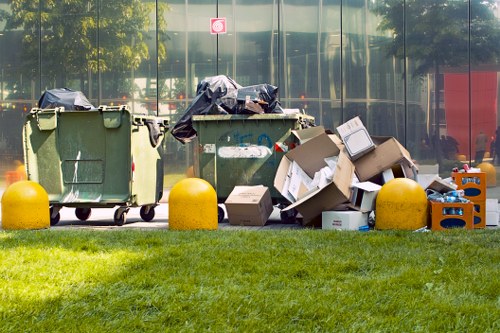
Commercial waste removal in Chingford should be straightforward, dependable and suited to the way your business actually works. We handle recurring and one-off clearances for offices, shops, workshops and other commercial premises, with a focus on collecting the right materials for the right route. That means separating general commercial rubbish from items that need specialist handling, and making sure the service is arranged around practical access, loading and disposal needs.
Our work covers a broad mix of non-hazardous business waste, including packaging, unwanted fittings, office furniture, mixed refuse and other routine items that build up during day-to-day trading. Where different waste streams need different handling, we can keep them distinct so the collection remains orderly. If you need a clear plan for a larger clearance, the business waste removal service page explains the core service area in more detail.
If you are comparing options for a commercial waste removal service, it helps to think about what is being cleared, how often it arises and how much space is available for loading. For some premises, the job is a matter of collecting accumulated waste from a single room or storage area; for others, it means dealing with mixed items from several parts of the site. Please send your details and request a quotation when you are ready.
Commercial Waste Collections for Everyday Premises
We support a practical range of commercial collections for businesses in and around Chingford, with service choices shaped by the type of waste rather than by a one-size-fits-all approach. That matters when a premises produces mixed lightweight waste, broken office items or bulky material that needs sorting before it is moved. A careful collection can reduce disruption and make it easier to keep back-of-house areas usable.
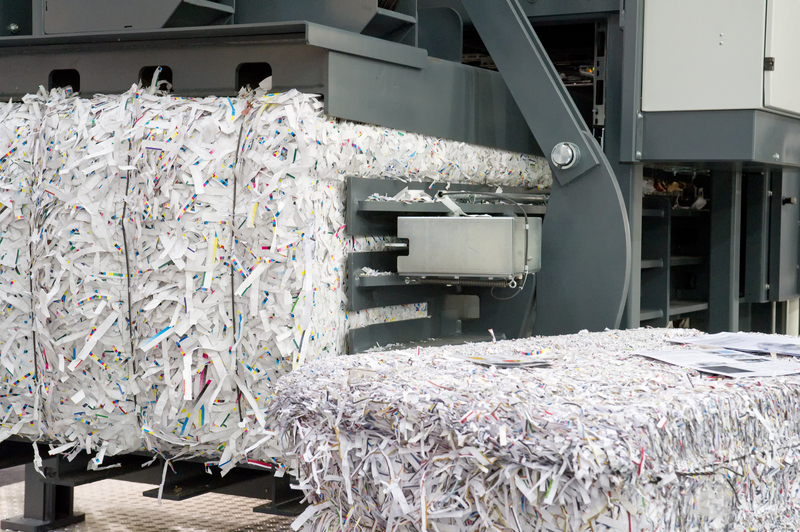
For offices, the service may include desks, chairs, filing units, cardboard, archive materials and general clutter from storage spaces. For retail and customer-facing premises, the job often involves packaging, display fixtures, shelving and damaged stock. If confidential papers or records are part of the clearance, the confidential shredding page is the relevant place to review that separate service before you book anything else.
Not every collection needs the same level of preparation, but it is helpful to identify the main waste types in advance and note any access limits, stairs or loading restrictions. A simple list is often enough to start a quotation conversation:
- the kinds of items to be removed
- the approximate volume or number of loads
- any heavy, awkward or fragile pieces
- site access, parking or lift restrictions
- whether the clearance is a one-off or repeat need
Office, Furniture and Fixture Clearances
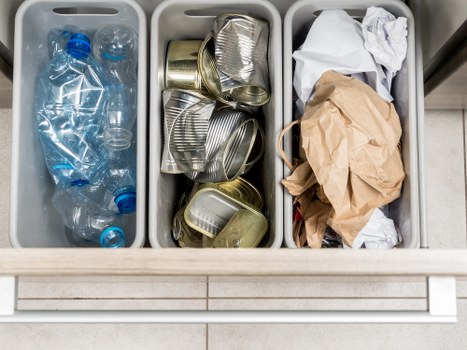
Many commercial clearances involve furniture rather than loose rubbish. Desks, reception seating, office chairs, storage cabinets and meeting-room items all need safe handling, especially where furniture has to be taken through shared corridors or narrow doorways. The aim is to remove items efficiently while keeping the remaining workspace orderly and avoiding unnecessary handling of anything that is staying in place.
Where the clearance includes larger items, the destination of each piece may differ depending on condition and material. Some items can be separated for reuse or recycling, while others will need standard disposal routes. If the items are chiefly household-style furniture rather than general business waste, our furniture clearance page and the related furniture disposal page give you useful service-specific information.
Office projects are often easier to arrange when the removals are grouped by area. That might mean clearing a storeroom first, then removing furniture from working spaces once staff have finished with them. It can also help to mark items that are staying and items that are going, particularly where several people use the same premises. Clear separation makes loading simpler and helps keep the collection focused on the agreed scope.
Retail, Hospitality and Multi-Site Business Waste
Handling mixed material with care
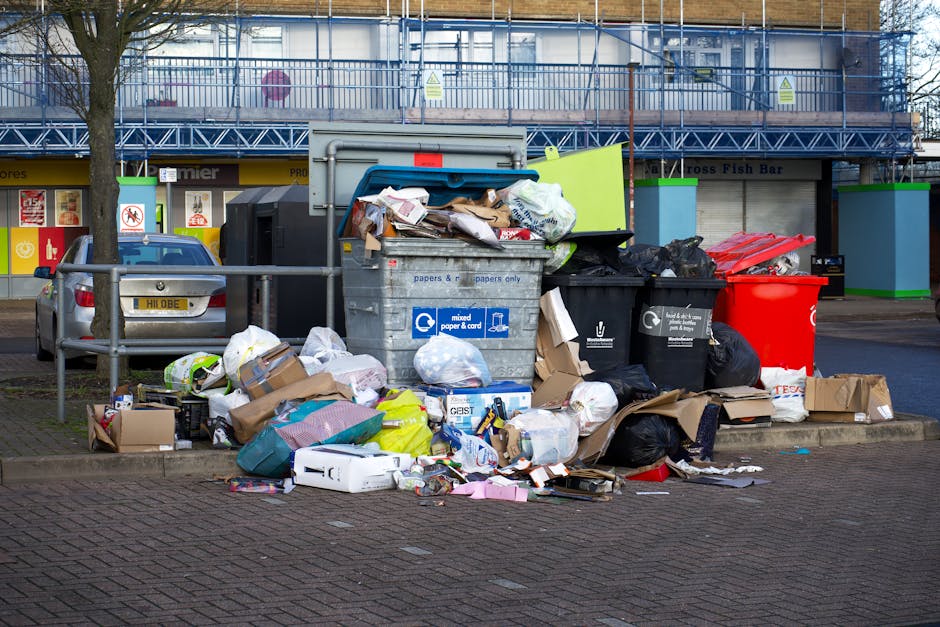
Commercial sites rarely generate one waste type only. Retailers may produce cardboard, shrink wrap, broken display equipment and packaging; hospitality premises may have worn seating, shelving, small appliances and general refuse; managed properties may have a regular mix of odds and ends from tenant changes. We approach this work by identifying which materials belong together and which should be handled separately, rather than simply moving everything as one pile.
Where a collection includes appliances or equipment, it is worth checking whether the items are standard removable goods or require a dedicated route. The fridge and appliance removal service page is useful when white goods or cold cabinets are part of the job. For business settings that also need ongoing arrangement across different sites, the emphasis is usually on predictable collections and clear instructions, not on last-minute decisions at the door.
Planning a collection around trading hours
Busy premises often need collections to fit around customer flow, deliveries or staff handovers. A commercial waste removal service should therefore be set up with simple practical details in mind: where items are stored, how they are accessed and whether a collection needs to avoid particular periods of the day. If the waste arises from a planned refit or move, the builders waste clearance page may also be relevant for the heavier material involved in project work.
Clearance for Refits, Moves and Property Changes

Some business waste removal work is tied to a change in the property rather than routine housekeeping. A refit, relocation or partial closure can leave behind mixed items that need to be removed in sequence, especially where fixtures, office contents and packaging appear together. In those situations, the most useful service is one that can keep the clearance organised without turning it into a larger, disruptive project than necessary.
For premises that are being emptied room by room, a combination of general removal and item-specific service pages can help you decide what belongs in the booking. A storage area full of redundant stock may need a different approach from a back office with old furniture, and a stockroom with heavy refuse is different again. If you are clearing a domestic property as well as business premises, the home clearance and house clearance pages may be useful reference points, though the commercial job itself remains the priority here.
It is usually best to set out the main categories first rather than trying to describe every single item in one sentence. That way the quotation can reflect the real work involved. Accurate descriptions help avoid confusion, especially when the clearance contains a mixture of reusable items, bulky waste and pieces that need separating before collection. Please ask for a quotation once the scope is clear.
What Affects the Quotation
Commercial waste removal prices are shaped by the work involved, the access arrangements and the nature of the items being collected. A small office clearance with easy access is different from a mixed-site clearance that includes bulky furniture, heavy materials or items stored on several floors. The quote normally needs enough detail to reflect those differences, so it is worth describing what is being removed in straightforward terms.
Useful quotation details usually include the volume of waste, any special handling requirements and whether the collection must happen at a particular time. If you are comparing services, the pricing and quotes page is the place to review how enquiries are handled. Where you want to check how items are dealt with after collection, recycling and sustainability explains the broader approach to sorting and recovery.
Our advice is simple: list the items, note the access, and mention anything awkward before booking. That makes it easier to prepare a practical quotation and avoids delays when the crew arrives. If you are arranging a job for a busy premises, it is also sensible to decide which areas must remain open during the collection and which can be cleared in one go. A little preparation saves time later without asking you to over-explain every detail.
About Chingford
Chingford is a district in the London Borough of Waltham Forest, lying on the north-eastern edge of Greater London near the border with Essex. The area is closely associated with Epping Forest, and much of its character comes from the meeting point between built-up streets, green open land and long-established transport connections. Chingford Station provides a rail link into central London, while local roads connect the district with neighbouring parts of Waltham Forest and the wider Lea Valley. The place name is historically recorded in medieval sources, and the settlement developed over centuries from a smaller rural community into a suburban district. Its older and newer parts sit side by side, with residential streets, local shops and civic buildings reflecting different stages of growth. One well-known landmark is Queen Elizabeth’s Hunting Lodge, a Tudor timber-framed building in the wider Chingford area that survives as a reminder of royal hunting in Epping Forest. The forest itself remains one of the most distinctive elements of the locality, offering ancient woodland, walks and open space that shape the area’s identity. Chingford also includes pockets of local shopping and community life around its station and town-centre streets, while nearby recreational spaces and green edges give the district a more open feel than many inner-London neighbourhoods. That contrast between forest, suburb and historic landmark helps explain why the name Chingford carries both a local and a wider London significance.
Specialist Waste Streams and Separate Services
Some collections require more than standard mixed rubbish removal. A commercial site may have old equipment, awkward metal fittings, damaged office kit or items that should not be bundled together with general waste. Separating those streams early makes the overall job tidier and helps ensure the right disposal route is chosen for each category. It also makes it easier to keep useful material apart from what is destined for disposal.
Where the waste includes substances or materials that need particular handling, the service should be checked before anything is moved. The hazardous waste disposal page covers that type of specialist work, while insurance and safety explains the wider framework for managed collection work. For everyday commercial premises, though, the majority of jobs still revolve around ordinary non-hazardous items that have accumulated over time and need clearing in an orderly way.
There is no benefit in forcing every item into the same container if the contents are clearly different. Mixed business waste is easier to manage when heavy pieces, reusable furniture and general refuse are described separately from the start. That makes the quotation more accurate and the removal more straightforward. If you are unsure how to classify a specific item, note it in plain language and let the service conversation deal with the detail.
Collections for Garages, Stores and Back Areas

Commercial premises often have back areas that collect items nobody has time to sort until the space becomes difficult to use. Garages, service cupboards, plant stores and similar locations can fill with broken equipment, packaging, old stock or furniture that has been put aside for later. These spaces are best handled as practical clearances, with an agreed list of items and a clear route for loading and removal.
For some jobs the main priority is simply to regain usable storage space; for others it is to clear out a section of the premises ahead of maintenance, refurbishment or inspection. If that work involves a mixture of domestic-style contents and business waste, the relevant pages may include garage clearance, loft clearance or flat clearance, depending on the type of property and the nature of the items involved. The right choice depends on the actual contents, not on assumptions about the site.
Use the final paragraph of this page as your prompt to act: if you have waste to remove, send the key details and ask for a quotation. Keep it simple, note the items and the access, and we can take it from there.
Booking Your Commercial Waste Removal
When you are ready to arrange a collection, it helps to make the request in a practical format. Mention the site type, the items to be removed, any access limits and whether the job is a one-off or part of an ongoing pattern. That gives a better basis for a quotation than a brief message that only says waste needs removing. If the clearance is connected to a wider property change, the book online page offers a direct route to send the details.
For businesses that want to compare service scope before deciding, the waste removal page gives a broader overview of the core service area. If you are looking at a specific building or a combined project, that can help you identify whether the items are best treated as routine business waste, furniture, appliances or a different category entirely. The more precise the description, the easier it is to match the work to the right collection.
Please request a quotation once you have the main details together. You do not need to prepare a long explanation; a short summary of the waste type, quantity and access is usually enough to start. If you already know you need a repeat arrangement, say so in the enquiry. For a single collection or a larger project, the same principle applies: clear information first, then an accurate quote and a sensible plan.