Rubbish removal for Larkswood Estate homes in Chingford
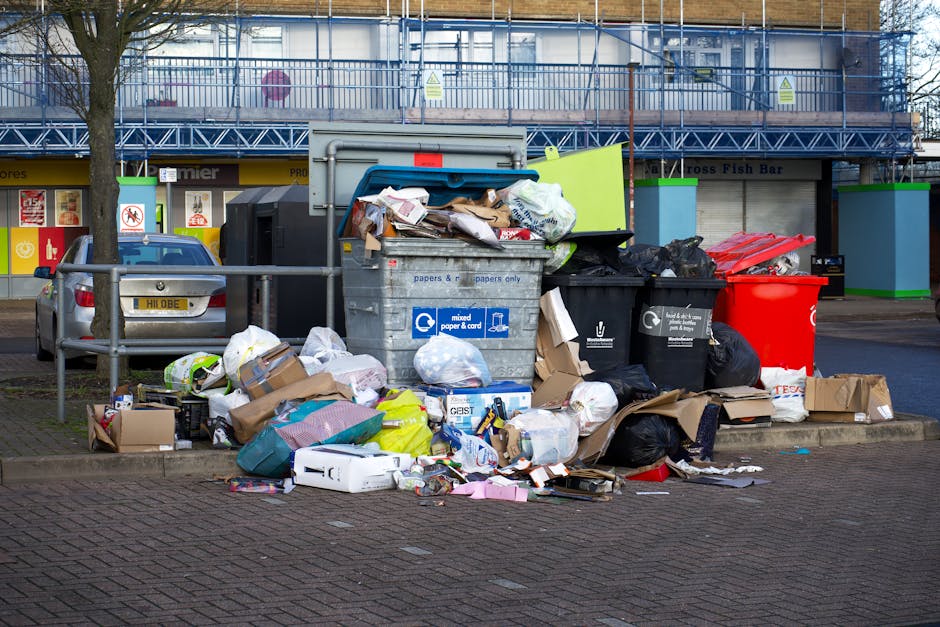
If you live on Larkswood Estate, you already know how quickly household clutter can build up. One weekend it is a broken wardrobe, a few bags from the loft, and an old mattress leaning in the hallway; the next, the spare room feels more like a storage unit than part of the home. Rubbish removal for Larkswood Estate homes in Chingford is about making that problem simple, tidy, and manageable without turning your day upside down.
This guide walks you through how the service works, what to expect, what to avoid, and how to choose the right approach for your home. It is written for real life, not brochure life. Because let's face it, most people do not need a lecture on waste - they need the job done properly, with as little fuss as possible.
Whether you are clearing after a move, emptying a garage, replacing furniture, or just dealing with the accumulated stuff that quietly creeps in over time, the aim is the same: get your space back, safely and sensibly.
Why Rubbish removal for Larkswood Estate homes in Chingford Matters
Homes on Larkswood Estate, like many residential pockets in Chingford, tend to have a mix of practical storage spaces and everyday family living. That is good news until the overflow starts. A loft packed with old boxes, a garage full of bulky items, or a garden corner that has become a mini scrapyard can make the whole home feel heavier. You notice it in small ways first: more dust, less space, awkward pathways, and that nagging feeling that you should sort it out soon.
Prompt rubbish removal matters because clutter is not just visual noise. It can affect access, safety, cleaning routines, and even how comfortably you use the home. Stacked items in hallways or sheds can become trip hazards. Heavy furniture stored badly can damage walls, skirting, or flooring when you eventually move it. And if waste is left too long, it tends to attract more waste. Funny how that works.
There is also a practical local angle. In residential estates, access can be tighter than people expect. Shared driveways, limited parking, neighbours working from home, school runs, and narrow windows for collections all make planning more important. A well-organised rubbish removal service avoids the usual drama - no dragging sofas to the curb at midnight, no improvised van hire, no wondering whether the council will accept a mixed load.
In our experience, the best time to deal with rubbish is before it becomes a bigger job. A few bags today can become a garage clearance tomorrow, and a garage clearance can quietly become a half-day project if you leave it too long. Better to keep it simple.
How Rubbish removal for Larkswood Estate homes in Chingford Works
The process is usually straightforward, but a little preparation makes all the difference. Most home rubbish removal jobs follow the same broad pattern: you identify what needs to go, confirm what type of waste it is, arrange a collection, and have it removed by a team that can load and transport it safely.
For many households, the easiest route is a flexible waste removal service that handles mixed household rubbish, bulky items, and everyday clutter in one visit. That is especially useful when you have a few different categories to clear, rather than one neat pile of identical items.
Some jobs are more specific. If you are replacing living room pieces, for example, furniture disposal or furniture clearance may be the better fit. For old bedroom pieces, a dedicated mattress and sofa disposal option can be helpful because these items are bulky, awkward, and not much fun to shift on your own.
Some homes also need a wider clear-out. A proper home clearance or house clearance is often better when several rooms are involved, or when you are preparing a property for sale, rental, refurbishment, or end-of-tenancy handover.
Then there are the more awkward bits of domestic waste that tend to linger. Fridges, freezers, and other white goods need careful handling, so fridge and appliance removal is the sensible route rather than leaving them to rust in a shed. And if the job involves loft insulation dust, sharp old items, or unusual materials, the team should know how to handle it properly, not just chuck everything in a van and hope for the best.
The basic workflow usually looks like this:
- You describe what needs clearing, ideally with a few photos.
- The job is reviewed so the right vehicle, labour, and disposal route can be planned.
- A collection time is arranged that fits your day and access conditions.
- The crew arrives, loads the waste, and clears the area.
- The waste is sorted for reuse, recycling, or responsible disposal where possible.
That is the simple version, and honestly, simple is good. You do not need a circus.
Key Benefits and Practical Advantages
The most obvious benefit is obvious for a reason: you get your space back. But there is more to it than that. A good rubbish removal service is less about "taking stuff away" and more about making the whole process feel manageable.
1. Less physical strain. Heavy lifting is where many DIY jobs go wrong. A mattress down a stairwell, a broken wardrobe with sharp edges, or a pile of damp bags from the garden can all become awkward very quickly. Professional help reduces the risk of back strain, trips, and accidental damage.
2. Faster turnaround. What might take you a whole Saturday can often be completed far more quickly by a team used to working around tight spaces and mixed waste. That matters on an estate where parking, neighbours, and access can eat up time before the actual loading has even begun.
3. Better sorting and disposal. Many household clearances involve items that should not be dumped together without thought. Timber, metal, textiles, appliances, and general waste may each follow a different disposal route. Good sorting helps reduce avoidable waste. If sustainability matters to you - and it probably should - take a look at recycling and sustainability practices before you book.
4. Cleaner finish. A real clearance does not end with the last item at the gate. The area should be left tidy, with obvious debris removed. If you have ever finished a DIY project and discovered dusty corners, splinters, and bits of tape everywhere, you will understand why this matters.
5. Easier decision-making. Truth be told, one of the hardest parts is often deciding what to keep. When the waste is gone, you can see the room clearly and make better choices. That clarity is worth a lot.
6. Reduced stress. There is a quiet relief in knowing the load has been handled properly. No borrowed van. No multiple tips runs. No guessing whether the old freezer is even allowed in the back of a car. Just gone.
Who This Is For and When It Makes Sense
This kind of service suits a wide range of households. It is not just for major clear-outs, and it is definitely not only for people in crisis mode with boxes stacked to the ceiling.
You might need rubbish removal if you are:
- clearing a spare room, loft, garage, or shed
- replacing old furniture or appliances
- preparing a home for decorating or refurbishment
- handling post-move waste and packaging
- sorting inherited belongings that are no longer needed
- dealing with garden cuttings, broken outdoor items, or worn tools
- helping a family member reclaim space after years of accumulation
It also makes sense when waste is mixed. For example, a kitchen refresh might leave you with broken cupboards, packaging, old appliances, and a few bags of general rubbish. A bathroom update can bring tiles, fittings, cardboard, and awkward offcuts. A single-purpose skip may not always be the most practical answer, especially if access is limited or if you need the waste removed quickly and in stages.
If the project is more building-led, a dedicated builders waste clearance service may be a better match. If it is mostly outside clutter, a garden clearance is often the cleaner option. And if the job includes a garage full of odds and ends - old paint tins, bikes, boxes, and half-used hardware - a garage clearance can save you a lot of back-and-forth.
Sometimes people wait until they have "enough" rubbish to justify booking. That is understandable, but not always the smartest way to look at it. If the clutter is blocking storage, stopping a room from being used, or making a safety issue more likely, it is already worth dealing with.
Step-by-Step Guidance
Here is a practical way to approach rubbish removal without turning it into a whole-life admin project.
1. Walk through the space slowly
Start with one room, not the whole house. That keeps the task less overwhelming. Look at what is broken, unused, duplicate, or simply in the wrong place. If something has sat untouched for years, there is a good chance it is not earning its keep.
2. Separate what needs special handling
Appliances, mattresses, upholstered items, and anything potentially hazardous should be identified early. If you are unsure about a substance, container, or material, do not assume it can go with general waste. Hazardous waste disposal exists for a reason. A little caution now prevents bigger problems later.
3. Decide what is going, what is staying, and what needs a second look
This is the annoying bit, yes. But it is also the bit that stops regret. Keep a small pile for items you need to think about. If you are still undecided after a day or two, that item probably belongs in the removal pile or in storage, not cluttering the floor.
4. Take photos if the job is large or mixed
Photos help a lot. They make it easier to judge load size, access, and whether extra labour may be needed. If there is a tricky staircase, narrow front path, or restricted parking, mention it. Nobody likes surprises when they arrive with a van and two sets of gloves.
5. Check the collection and access details
On Larkswood Estate, access can be straightforward in some spots and awkward in others. Think about where a vehicle can stop, whether there is room to manoeuvre, and how far items need to be carried. A clear path makes the whole thing quicker and safer.
6. Book the right service
Match the service to the job. Small mixed loads fit general waste removal. Sofas, tables, and wardrobes may fit furniture clearance or furniture disposal. A packed loft is different again, and loft clearance can be the most efficient way to handle it.
7. Be ready on the day
Move the items you are definitely discarding into one easy-to-see area if you can do that safely. Keep the route clear. Put pets in another room. Leave a bit of space near the door. These little things really do help.
8. Confirm what happens after collection
Responsible removal is not just about speed. You want confidence that items are being handled properly, sorted sensibly, and not abandoned somewhere dubious. A reputable provider should be clear about disposal practices and business standards, including insurance and safety and health and safety policy.
Expert Tips for Better Results
Small choices make a big difference with domestic rubbish removal. The goal is not perfection; it is a job that runs smoothly enough that you barely remember the stress afterward.
Sort before the team arrives if you can. Even a basic split between general rubbish, furniture, appliances, and anything questionable will speed things up. That means less faffing about at the kerb.
Measure bulky items. If a wardrobe looks enormous in the hallway, that is because it probably is. Knowing roughly what you have helps when estimating how much space it will take in a vehicle or how easy it will be to move down stairs.
Keep a "don't accidentally remove" pile. Label it if needed. One cable box, one charger, one spare key set - it is so easy for small useful things to get swept up in the panic of clearing.
Be honest about access. If there is a narrow entrance, a shared stairwell, or a parking restriction, say so early. It is much easier to plan properly than to discover it while balancing a fridge halfway through the front path. Not ideal.
Think in zones. Clear one zone at a time: loft, then garage, then garden, then spare room. That keeps momentum up and stops the whole house from looking worse before it looks better.
Use the job to reset the space. Once waste is removed, clean the area before putting things back. You only get that empty space once in a while - best make it count.
Common Mistakes to Avoid
Most problems with rubbish removal are predictable. The good news is they are also avoidable.
- Leaving it until the load is unmanageable. A small clutter issue is easier and cheaper to solve than a mountain of mixed rubbish.
- Assuming all waste can go together. Some materials need separate handling, especially electricals, appliances, and anything potentially hazardous.
- Forgetting about access. A job that looks simple indoors can turn awkward if the van cannot park nearby or the items will not fit through the doorway.
- Underestimating bulky furniture. Sofas, mattresses, wardrobes, and desk units often take more time and space than expected.
- Not checking what is included. Some jobs include loading only, while others may involve sorting or different disposal categories. Ask early, not after the van has arrived.
- Trying to keep too many maybe-items. The "just in case" pile grows quickly. It usually does.
There is also a quieter mistake: not asking about responsible disposal. You do not need a lecture on environmental responsibility, but you do want reassurance that items are being handled properly. If sustainability matters to you, ask how materials are separated and where reusable items go.
Tools, Resources and Recommendations
You do not need specialist kit to prepare for a household rubbish removal, but a few basics help a lot.
- Heavy-duty bin bags for loose mixed rubbish
- Marker pen and labels for keep, remove, or donate piles
- Tape measure for bulky furniture and awkward access points
- Gloves if you are sorting dusty loft or garage items
- Phone camera for quick photos of the load and access
- Strong boxes or crates for loose hardware, books, or cables
For house-wide projects, it can help to use a service that handles more than just one item type. A broad house clearance or focused home clearance can be more efficient than booking several smaller removals back-to-back.
If your clutter includes confidential paperwork, old files, or sensitive household records, do not just toss them in with ordinary rubbish. Confidential shredding is a safer way to deal with personal information. That might sound a bit formal for a home clearance article, but honestly, paperwork has a sneaky habit of hiding in boxes for years.
For readers comparing service options, the practical starting point is usually pricing and quotes. Transparent pricing matters because it helps you decide whether the job needs a full clearance, a smaller collection, or a mixed approach.
Law, Compliance, Standards and Best Practice
For domestic rubbish removal in the UK, the broad expectation is simple: waste should be handled lawfully, safely, and with suitable care. You do not need to become an expert in waste legislation to make a sensible decision, but a few principles are worth keeping in mind.
Duty of care matters. In plain English, waste should not just disappear into a van and become someone else's problem. The person collecting it should know how it is being transported and where it is going. If a company cannot explain that clearly, treat it as a warning sign.
Special items need special handling. Fridges, appliances, mattresses, electronics, and potentially hazardous materials should be dealt with appropriately. That is not being fussy. It is normal good practice.
Insurance and safety should be visible. A home clearance team working in tight domestic spaces should have a sensible approach to public liability, manual handling, and site safety. You want the household protected, not just the waste shifted.
Respect for neighbours and access is also part of good practice. Parking legally, keeping noise reasonable, and avoiding blocked driveways make a real difference on residential estates. A smooth collection should not create a bad afternoon for everyone else on the road.
If builders' waste is involved, or if there are renovation leftovers, it is worth checking whether a specific service fits the load better than a general one. And if you are unsure what can be mixed safely, the page on what can go in a skip is a useful guide to the kind of waste categories people often ask about, even when they are not actually using a skip.
Options, Methods, or Comparison Table
Different homes need different methods. The right choice depends on the volume, type of waste, access, and how quickly you need it gone.
| Method | Best for | Pros | Watch-outs |
|---|---|---|---|
| General waste removal | Mixed household rubbish, bags, smaller clutter | Flexible, quick, simple to arrange | May not suit large bulky loads on their own |
| Furniture clearance | Sofas, tables, wardrobes, mixed household items | Good for heavy, awkward pieces | Check access and dismantling needs |
| Home or house clearance | Multiple rooms, full-property clear-outs | Efficient for larger jobs | Needs clearer planning and sorting |
| Loft or garage clearance | Storage spaces full of old items | Targets the mess where it often hides | Dust, access, and hidden objects can slow things down |
| Garden clearance | Outdoor waste, cuttings, broken outdoor gear | Leaves outdoor spaces usable again | Some garden waste may need separate handling |
For many Larkswood Estate homes, a mixed approach works best. A garage might need one visit, while the loft or furniture can be dealt with separately. That is often cleaner than trying to force everything into one neat box when life has not been neat at all.
Case Study or Real-World Example
Here is a realistic example. A family on Larkswood Estate decides to clear a spare room that has quietly become the home for old toys, a broken chest of drawers, flat-pack packaging, and two bags of clothes that were "going to charity" about eighteen months ago. There is also an old bedside cabinet in the hallway and a mattress that has been waiting for a better plan.
They start by grouping the items: keep, remove, and unsure. The keep pile is smaller than expected, which is usually a clue. They take a couple of phone photos, check the hallway width, and make sure the front path is clear. On collection day, the team loads the mixed waste, removes the mattress separately, and clears the room in one visit.
The surprising part is not the removal itself. It is how quickly the room starts to feel useful again. Light comes in properly. The floor is visible. You can stand in the doorway and imagine it as an actual room, not a holding bay for everything nobody wanted to think about. Small thing, maybe. But not really.
That kind of result is why rubbish removal is more than a convenience service. It gives you back options.
Practical Checklist
Use this simple checklist before booking rubbish removal for your Larkswood Estate home.
- Identify exactly what needs to go.
- Separate bulky items from general rubbish.
- Flag anything that may need special handling.
- Take photos of the load and any access issues.
- Check parking, entry points, and stair access.
- Clear a path to the collection point.
- Put aside anything you want to keep.
- Ask about disposal, recycling, and safety practices.
- Confirm the collection time and contact details.
- Plan a quick tidy-up after the waste is removed.
Expert summary: if you want the smoothest result, prepare the space a little, be honest about the load, and choose the service that matches the actual waste - not the one you wish the waste was. That small bit of planning saves a lot of hassle.
Conclusion
Rubbish removal for Larkswood Estate homes in Chingford is really about making domestic life easier, safer, and less cluttered. The right service helps you deal with bulky items, mixed waste, awkward access, and all the small jobs that pile up until they feel bigger than they are.
If you take one thing from this guide, let it be this: do not wait for the perfect weekend, perfect mood, or perfect weather. Start with one room, one corner, one load. Once the first pile is gone, the whole place feels lighter. And that is a pretty good feeling, to be fair.
If you are comparing options or preparing for a clear-out, it may help to review pricing and quotes and then move forward with the most practical route for your home.
Get a free quote today and see how much you can save.
Frequently Asked Questions
What types of rubbish can be removed from a Larkswood Estate home?
Most household clearances cover general rubbish, furniture, bags of mixed clutter, garden waste, some appliances, and items from lofts, garages, and spare rooms. If you have anything unusual, it is best to mention it before collection.
Is rubbish removal better than hiring a skip?
It depends on the job. Rubbish removal is often better for homes with limited space, mixed waste, or tight access. A skip can suit bigger DIY projects if parking and permit issues are not a problem.
Can old sofas and mattresses be taken away?
Yes, they usually can. Sofas and mattresses are common bulky items in domestic removals, and dedicated collection is often easier than trying to move them yourself.
How should I prepare my home before collection?
Sort items into keep and remove piles, clear a path, flag anything heavy or hazardous, and take photos if the job is large. A little prep goes a long way.
What if I have appliances like a fridge or freezer?
Appliances need proper handling, especially fridges and freezers. A service that offers appliance removal is usually the safest option, rather than treating them as ordinary rubbish.
Do I need to be at home during the removal?
Usually yes, or at least someone should be available to confirm what is being taken. That helps avoid mistakes and keeps the process straightforward.
How do I know if something counts as hazardous waste?
If an item contains chemicals, unknown liquids, sharp residues, or anything you would not want leaking in a vehicle, treat it cautiously. When in doubt, ask before the collection date.
Can rubbish removal help with a full house clearance?
Absolutely. If several rooms need clearing, a full house clearance or home clearance is often the most efficient route. It is especially useful before moving, selling, or renovating.
Will the waste be recycled?
That depends on the materials involved and how the collection is sorted. A responsible provider should separate reusable and recyclable items where practical, and explain their approach clearly.
What happens if I have more waste than expected?
It is best to mention that early. If the load is larger than planned, the team may need more time, more capacity, or a different arrangement. Surprises are fine in birthday cakes, not so much in waste collections.
Is rubbish removal suitable for small jobs, or only big clearances?
Small jobs are absolutely fine. One sofa, a few bags, or a garage corner full of odds and ends can still be worth arranging if you want the space cleared properly and quickly.
How do I choose the right service for my home?
Match the service to the waste type, volume, and access. General waste removal suits mixed loads, furniture disposal suits bulky items, and home or house clearance suits wider property clear-outs. If you are unsure, start by looking at the job as it really is, not as you hope it might be after a quick tidy.